Reciprocity: Building Strong Partnerships Between Schools and Communities
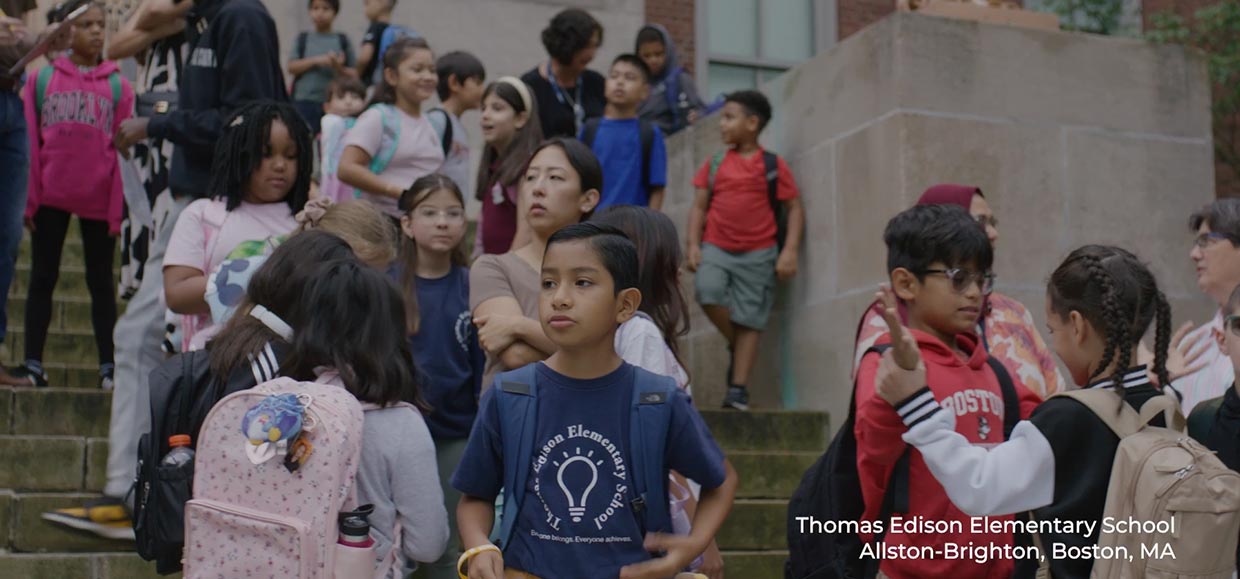
CCE’s Reciprocity initiative is designed to foster mutual respect, shared learning, and collaborative problem-solving between schools and the communities they serve. By uplifting community voice and creating structures for co-ownership, Reciprocity strengthens relationships and leads to more responsive, resilient, and equitable educational systems.
Reciprocity is rooted in the belief that the most successful schools are those that work hand-in-hand with their communities, leveraging local knowledge, experiences, and Measures That Matter to guide meaningful change.
Creating a Third Space for Connection and Collaboration
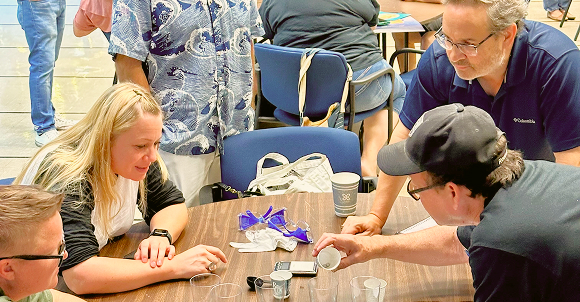
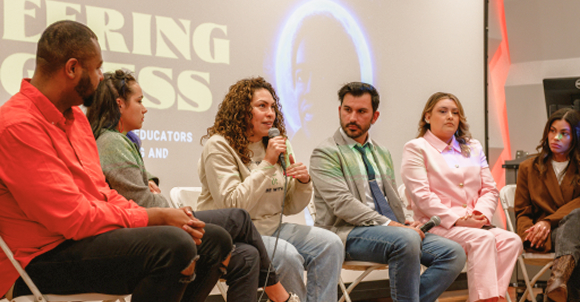
Reciprocity helps communities and schools create a Third Space—a shared environment where community members, educators, youth, and partners can engage in honest conversation, strategic planning, and storytelling that elevates local strengths and aspirations.
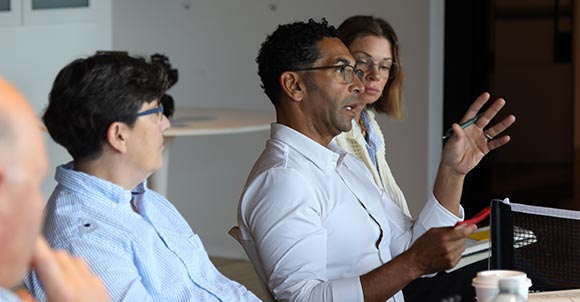
Through facilitated sessions, collaborative dialogue, and community-informed planning, Reciprocity:
Builds understanding among diverse stakeholders
Creates space for community stories and lived experience
Helps partners identify local values and priorities
Supports decisions that reflect community-defined goals
This work enhances belonging, trust, and shared responsibility across schools and communities.
A Collaborative Process Rooted in Listening and Learning
Reciprocity supports communities through:
Listening Sessions
Providing structured opportunities for youth, families, educators, and partners to share experiences, ideas, and concerns.
Strategic Planning
Helping communities and schools move from ideation to implementation with plans that reflect local values and Measures That Matter.
Inclusive Storytelling
Highlighting community efforts and sharing what has been learned through data, narratives, and collaborative reflection.
These processes ensure that change is not top-down—it is built with and for the community.
Strengthening Community–School Ecosystems
Reciprocity helps build stronger ecosystems by:
Increasing community ownership and involvement
Strengthening ties between youth, families, educators, and partners
Aligning school practices with community-defined priorities
Creating sustainable structures for ongoing dialogue and collaboration
Encouraging equal exchange of knowledge, resources, and leadership
The result is a more connected, responsive educational environment where everyone has a role in youth success.
Why Reciprocity Matters
Through Reciprocity, communities and schools can:
Build resilient partnerships
Amplify youth and family voice
Strengthen civic engagement
Create more inclusive learning environments
Develop shared accountability for outcomes
Support systems that reflect local culture and identity
Reciprocity transforms education by centering the people most impacted by it.
Be a part of transforming education from the ground up!
Whether you are a parent, educator, community leader or a concerned citizen, your voice matters and we are here to listen and learn with you. Join our Community and School Reciprocity strategy to build stronger and more resilient schools that reflect the values and aspirations of their communities.